
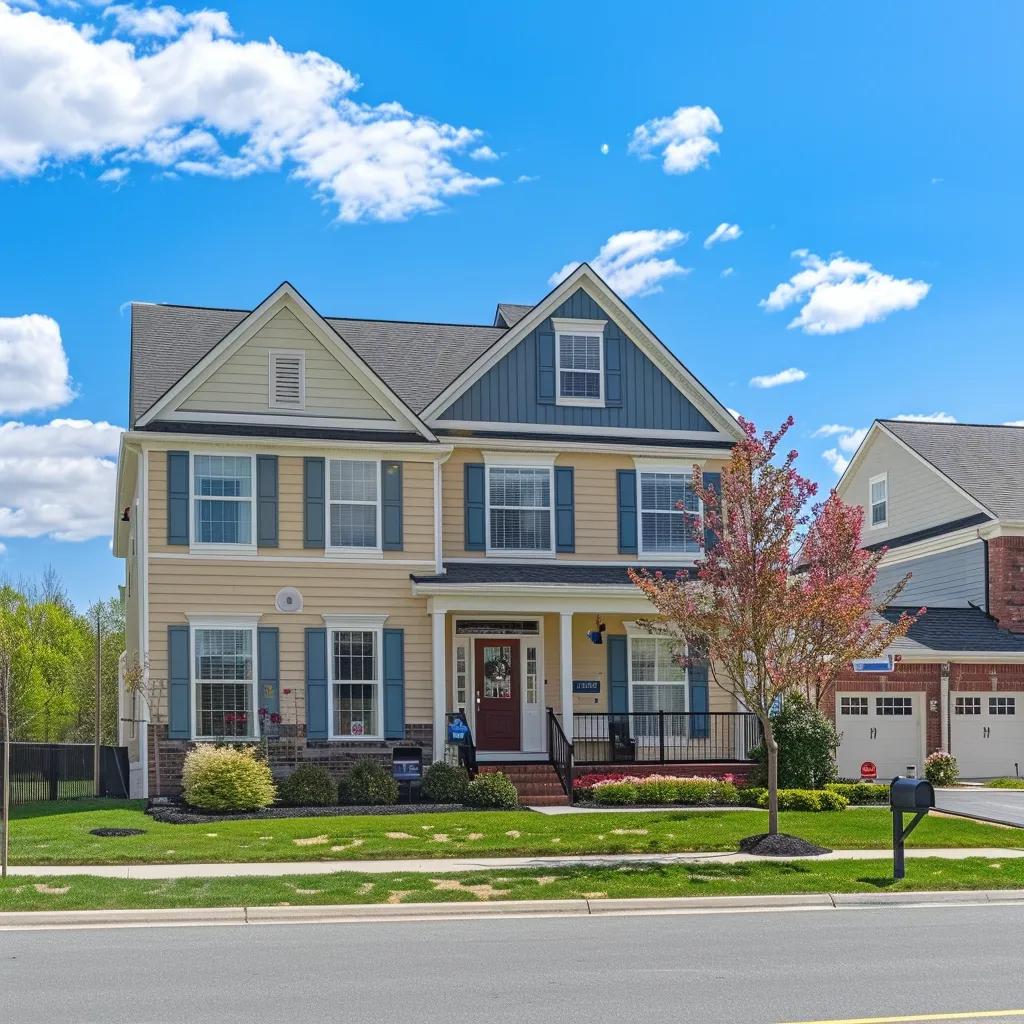
Factors Influencing House Painting Costs in Woodbridge Virginia
In Woodbridge, Virginia, understanding the factors that influence house painting costs is essential for homeowners and property managers planning a renovation or maintenance project. A range of factors—from the size and condition of the house to the quality of materials and labor required—influences the final price. This article provides insights into each critical factor, discussing how property size affects time investment, the importance of evaluating exterior and interior conditions before hiring professionals, and the impact of seasonal changes on both cost and project duration.
Furthermore, quality materials and eco-friendly choices can improve long-term durability and aesthetics, while regional market trends, labor costs, and preparation or cleanup efforts all contribute to the overall expense. By breaking down the process—from assessment and material selection to labor evaluation and market trends—homeowners will be better equipped to plan their painting projects, negotiate professional painting services, and keep their budgets in check.
Transitioning from these introductory considerations, the detailed factors that influence house painting costs in Woodbridge, Virginia, are explored in the sections below.
How To Determine The Cost To Paint A House
Let’s examine the factors that influence the average cost to paint a house. There are obvious factors such as the size of the space that needs to be painted and whether the service required is interior painting or exterior painting. Often the average cost for exterior painting and the average cost for interior painting can vary. Here are several of the factors that affect home painting cost.
Assess the Size and Condition of Your Home Before Painting
Before starting a painting project, it is essential to evaluate your home’s dimensions and condition. This section discusses how property size, room count, exterior condition, repair needs, and weather impacts can affect project planning and costs.
Examine the Total Square Footage of Your House
The total square footage determines the surface area that must be painted. Larger homes require more paint and labor, leading contractors to base estimates on the square footage. For example, a 3,000-square-foot house may need 20–30% more labor than a 2,000-square-foot home. High ceilings, expansive hallways, or other architectural features can also add complexity. Because many companies charge per square foot, square footage directly influences pricing.
Consider the Number of Rooms That Need Painting
Each room has unique architectural features, such as crown molding, ceiling finishes, or accent walls that might need specific attention. More rooms can lead to frequent equipment changes and extra cleaning processes, which in turn increase labor costs. Homeowners should create an accurate inventory and assess the complexity of each room when requesting quotes.
Check the Current State of Exterior Surfaces
Evaluating exterior surfaces is key to determining required repairs and preparation methods. Wood siding, stucco, and brick all have different repair and cleaning needs. Old, peeling paint or weathered surfaces typically require scraping, sanding, or power washing to ensure proper adhesion of the new coating, especially in climates like Woodbridge’s, where weather accelerates wear and tear.
Identify Potential Repair Needs Before Painting
Identifying repairs such as damaged siding, moisture issues, or deteriorating trim can add to the project cost. Hiring specialists for repairs or purchasing additional materials (for example, replacing water-damaged sections or sanding warped drywall) helps create a uniform finish and prevents premature peeling, ultimately preserving the aesthetic quality and longevity of the painted surfaces.
Understand How Weather Impacts Condition Evaluations
Weather conditions strongly influence both interior painting and exterior painting projects. Woodbridge’s humid summers and cold winters can cause paint to deteriorate faster and surfaces to expand or contract. When assessing your home, consider how seasonal changes may affect wear and tear. Contractors usually factor weather-related repair needs and schedule adjustments into their estimates to avoid delays or curing issues.
Painting Labor
Another factor effecting the average price to paint a house is labor. Labor is the largest expense when painting a home, but you truly get what you pay for. Many homeowners learn to late that hiring a general handyman to paint their home might save them a few bucks in labor costs, but costs them a lot more in the long run when the job isn’t done correctly the first time. As with any home improvement project, it is crucial to work with qualified and experienced professionals. You don’t want to put you kitchen, bathroom, drywall, basement, interior, exterior, or any part of your home in the hands of someone who doesn’t know what they are doing.
Select the Quality of Paint and Materials for Your Project
The choice of paint and materials impacts both initial costs and long-term satisfaction. High-quality paints lead to longer-lasting finishes and fewer touch-ups, while budget options might require more frequent maintenance.
Differentiate Between Budget and Premium Paint Options
Budget paints are less expensive but often lack the durability and depth of premium products. Premium paints include additives that improve coverage, reduce the number of coats needed, and better withstand weather and wear. Although premium products have a higher upfront cost, they can save money in the long run by reducing the need for reapplications and repairs. Homeowners should consider factors such as application frequency, durability, and warranty benefits when comparing the two options.
Compare Long-Lasting Versus Short-Term Solutions
Long-lasting solutions use higher-quality ingredients that resist fading, chipping, and mildew. Although these may cost more initially, they reduce maintenance and repainting frequency compared to short-term alternatives. For example, a high-grade exterior paint might be 30% more expensive up front but extend the interval between repaints by several years, thereby lowering lifetime costs.
Analyze the Benefits of Eco-Friendly Paint Choices
Eco-friendly paints have low or no volatile organic compounds (VOCs), which make them better for indoor air quality and the environment. They may qualify for regional rebates or incentives and are increasingly popular with professional painters for their durability and finish. While eco-friendly options might have a slightly higher initial price, their long-term benefits include reduced environmental impact and potential added resale value.
Determine the Need for Specialized Primers and Finishes
Specialized primers ensure good adhesion, create a uniform surface, and help paint perform better. They are necessary when covering glossy surfaces, stains, or moisture-impacted areas. In many cases, using a specialized primer or finish can reduce the required number of coats, saving time and overall labor cost. Consulting with professional painters can help determine which specialized products are essential for your project.
Investigate the Impact of Material Quality on Longevity
The quality of application tools such as brushes and rollers also affects the final appearance and durability of the job. High-grade tools provide a smoother finish and more efficient labor, minimizing the risk of streaks or uneven textures. Investing in better tools can speed up the project, ensure safety, and ultimately reduce future maintenance costs.
Evaluate Labor Costs and Professional Services Offered
Labor costs can be a major portion of house painting expenses. Hiring qualified professionals not only helps achieve a high-quality finish but also minimizes the chance of needing repairs later.
Research Local Painting Companies’ Pricing Structures
Pricing in Woodbridge can vary significantly based on companies’ reputations, demand, and service quality. Some contractors charge by the square foot while others use hourly or fixed rates. Homeowners should obtain multiple quotes to compare prices, ensuring transparency and preventing hidden fees.
Consider the Experience Level of Hired Professionals
Experienced painters bring efficiency, established techniques, and problem-solving skills that can reduce overall labor time and costs. Their proven methods help tackle recurring issues like irregular surfaces or weather-related challenges, and their work often requires fewer repairs. Reviews, testimonials, and certifications can provide assurance of their experience.
Assess the Complexity of Jobs Requiring Additional Labor
Projects with intricate details such as crown molding, custom accent walls, or high-ceiling work naturally demand additional labor hours and specialized equipment like scaffolding or safety gear. The need for extra preparation or cleanup further increases costs and should be clearly communicated during contractor consultations to receive accurate estimates.
Compare Quotes From Multiple Service Providers
Gathering estimates from various contractors facilitates a clear comparison of pricing, services, and contractual terms. Detailed, itemized quotes that cover preparation, application, cleanup, and extra services such as repairs help homeowners identify hidden fees and ensure they receive the best value for quality work.
Understand the Benefits of Hiring Licensed Contractors
Licensed contractors adhere to local safety standards and building codes. Their licenses typically come with guarantees and insurance, reducing risks associated with poor workmanship or unexpected complications. Although their rates may be slightly higher, the added security, warranty, and overall quality make the investment worthwhile.
Consider the Time of Year for Your Painting Project
Seasonal timing can significantly affect project logistics and costs. Factors such as contractor availability, demand fluctuations, and optimal weather conditions all play a role.
Analyze Seasonal Demand and Its Impact on Pricing
During warmer months, when conditions are ideal, higher demand can increase labor costs and project durations. In contrast, off-peak seasons such as late fall or winter may offer discounts and better contractor availability. Scheduling in early spring or late fall might save 15–20% compared to peak seasons.
Understand the Best Weather Conditions for Exterior Work
Ideal weather for exterior painting includes moderate temperatures and balanced humidity levels to promote proper adhesion and drying. In Woodbridge, spring and early fall often present the best conditions. Contractors schedule their work around these optimal windows to avoid defects like blistering or peeling.
Explore Discounts Offered During Off-Peak Times
Seasonal promotions or off-peak discounts can reduce overall expenses. Lower demand often translates to more competitive pricing, and homeowners can benefit from negotiating lower rates during these periods.
Evaluate the Duration of Projects Based on Season
Good weather can expedite the painting process through faster drying and curing times, while unpredictable weather might extend labor hours and overall costs. Homeowners should build in a buffer for potential delays, ensuring that living arrangements are only minimally affected.
Review Potential Scheduling Conflicts With Other Work
Homeowners juggling multiple renovation projects must carefully coordinate schedules. Painting, when combined with tasks such as window replacements or exterior repairs, requires careful planning to avoid overlaps that could lead to increased labor costs and extended timelines.
Account for Preparation and Cleanup Efforts Required
Preparation and cleanup are integral to achieving a professional finish and avoiding additional costs later. Proper management in these stages is key to ensuring high-quality outcomes.
Identify Necessary Surface Sanding and Cleaning Processes
Before painting, surfaces should be thoroughly cleaned, sanded, and, if needed, stripped of old paint. This process removes dirt and imperfections that could lead to poor adhesion and premature wear. Although these steps increase upfront costs, they help ensure a smooth, durable finish and reduce future maintenance needs.
Plan for the Setup of Protective Coverings and Equipment
Using tarps, masking tape, and scaffolding protects floors, furniture, and other non-painted areas. The labor involved in setting up and later removing these protective materials is factored into the overall cost, but it plays an important role in preventing accidental damage and ensuring a clean workspace.
Estimate the Time Required for Paint Application
An accurate estimate of paint application time helps define labor costs. Intricate details, multiple coats, or complex surfaces may extend the process. Homeowners should recognize that a longer painting time is often a reflection of quality work rather than inefficiency.
Budget for Post-Painting Touch-Ups and Debris Disposal
After painting, a period of cleanup and minor touch-ups is essential for a polished final look. Proper disposal of paint debris and removal of protective coverings also adds to labor and may include disposal fees. Confirming that these tasks are included in the contractor’s quote prevents unexpected expenses.
Assess Potential Need for Specialized Equipment Rentals
Some projects require the rental of specialized equipment such as lifts, scaffolding, or high-reach sprayers. Although these rentals increase the overall cost, they are critical for safely and efficiently completing complex jobs while meeting industry standards.
Understand Regional Market Trends That Affect Costs
Regional factors in Woodbridge affect pricing structures and market behavior for painting services.
Analyze How Local Competition Impacts Pricing Structures
A competitive local market drives contractors to offer promotional pricing or bundled services. Frequent comparisons of customer reviews and local testimonials provide useful benchmarks that help homeowners negotiate better deals while ensuring high standards.
Investigate Average Painting Costs in Woodbridge, Virginia
Prices vary by project size and material quality. Residential interior services may range approximately between $1.50 and $3.50 per square foot, while exterior projects tend to be higher due to added weather preparation. Homeowners should request detailed proposals to understand how these averages apply to their specific projects.
Monitor Changes in Material Costs Due to Supply Chain Issues
Global supply chain disruptions can affect the pricing of paint, primers, and equipment. Contractors might pass on any increased costs, so staying current with regional market news helps homeowners negotiate or lock in fixed prices to manage their budgets.
Examine Seasonal Fluctuations in Demand for Painting
Demand fluctuates with changing seasons. Peak seasons can see elevated prices and less contractor availability, while off-peak times may offer discounts. Strategic scheduling in less busy periods can help lower overall project costs.
Review Customer Reviews to Gauge Service Quality in Woodbridge
Online reviews and word-of-mouth recommendations provide valuable insights into contractor reliability and work quality. Homeowners should investigate these reviews to ensure that any pricing advantages do not come at the expense of workmanship or customer service.
Frequently Asked Questions
Q: What are the main factors that influence house painting costs in Woodbridge, Virginia? A: Costs are influenced by factors such as the size and condition of the home, the quality of paint and materials, labor expenses, seasonal timing, and preparation and cleanup efforts. Each aspect plays a crucial role in determining the final price and long-term durability of the paint job.
Q: How does the total square footage of a house affect the painting cost? A: The total square footage determines the surface area to be painted. Larger homes require more materials and labor, typically leading to higher costs calculated on a per-square-foot basis.
Q: Why is it important to choose high-quality paint even if it is more expensive upfront? A: High-quality paint offers better coverage, longevity, and resistance to weathering. Though the initial cost is higher, premium paint reduces the frequency of repainting and repair costs, delivering long-term savings and better overall aesthetics.
Q: How do seasonal changes affect the cost and timing of a painting project? A: Seasonal variations influence labor costs and scheduling. Peak seasons with favorable weather can drive up prices due to high demand, while off-peak seasons may offer discounts and faster project completion times. Weather conditions also directly affect the drying and curing process.
Q: What benefits do licensed contractors provide compared to unlicensed painters? A: Licensed contractors adhere to safety standards and building codes, provide warranties, and carry insurance. Their expertise typically results in higher efficiency and fewer errors, which helps preserve property value and reduces future repair needs.
Q: Can homeowners reduce costs by doing some preparation or cleanup themselves? A: Yes, some preparatory tasks—such as moving furniture or cleaning surfaces—can help lower labor costs. However, professional preparation ensures all issues are handled correctly, which is crucial for the finish’s overall durability.
Q: How do regional market trends influence the final project cost in Woodbridge? A: Local competition, fluctuations in material costs, and seasonal demand all impact pricing. Being aware of these trends enables homeowners to negotiate better deals and plan projects during optimal periods.
Final Thoughts
In summary, house painting costs in Woodbridge, Virginia, depend on a mix of factors including home size, material quality, labor rates, seasonal timing, and thorough preparation and cleanup. Homeowners who properly evaluate their property and work with reputable, licensed contractors can achieve high-quality results while optimizing costs. Understanding regional market trends and investing in long-lasting materials can help manage budgets and ensure that the paint job withstands wear and tear over time. With comprehensive planning and informed decision-making, painting can become a cost-effective, long-term home improvement solution.
If you are looking trusted painting professionals in Woodbridge, VA and the surrounding area, give us a call at Northern Virginia Painters. Were are a painting company with over 30 years of experience serving Prince William County, Fairfax County, Loudoun Country, Stafford County and beyond. Give us a call today for a free quote or visit our contact page and send us a message.

